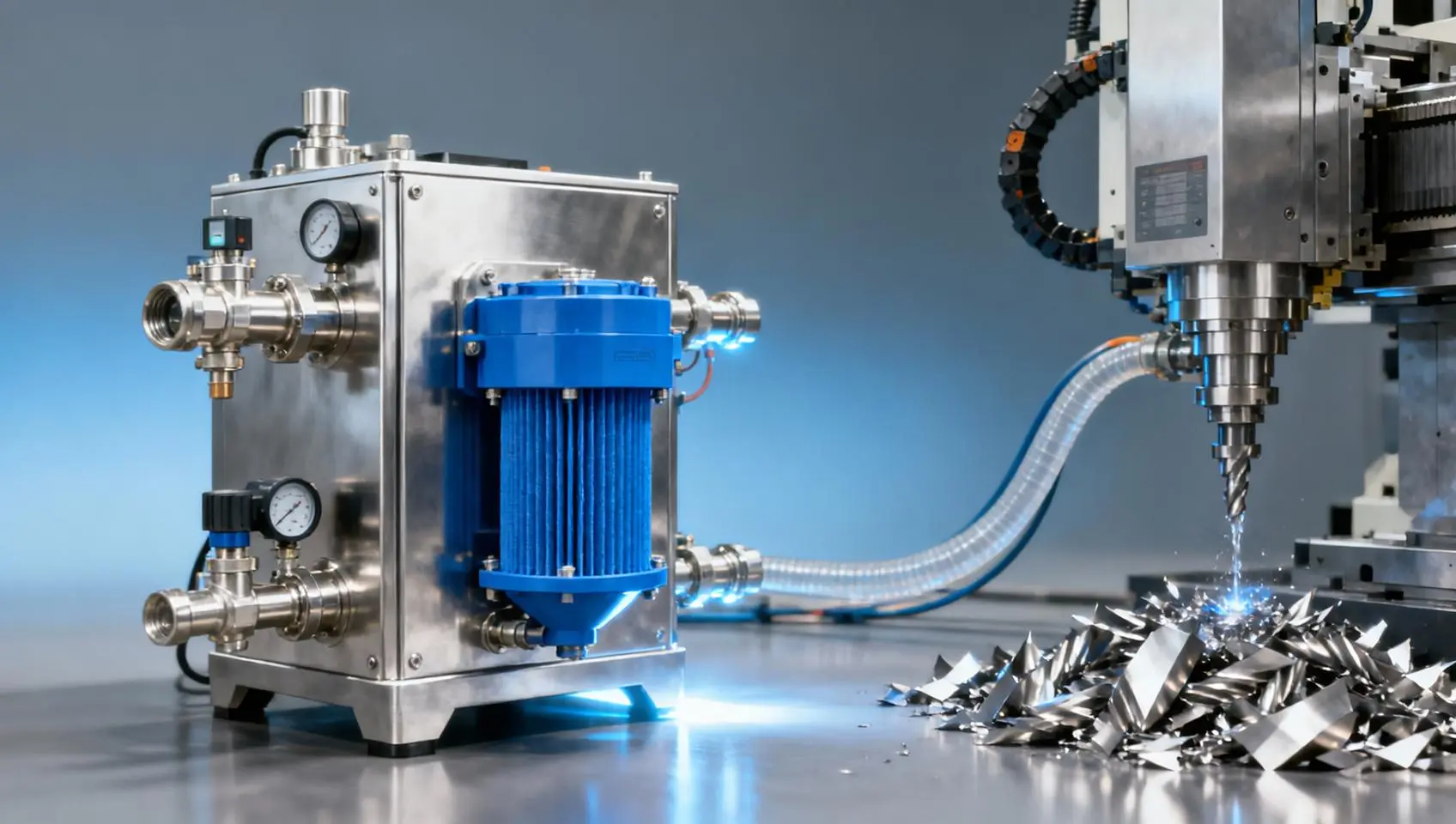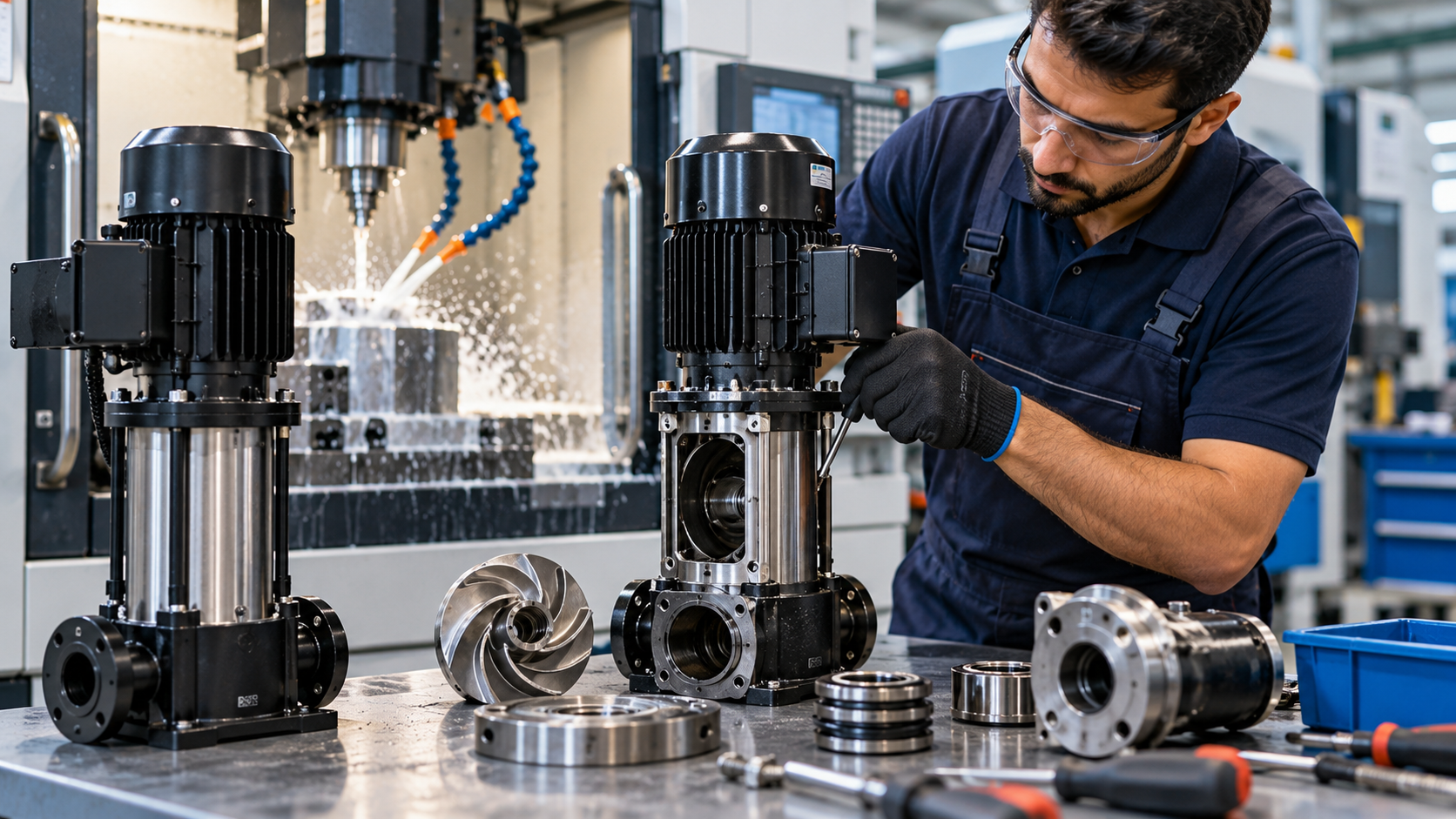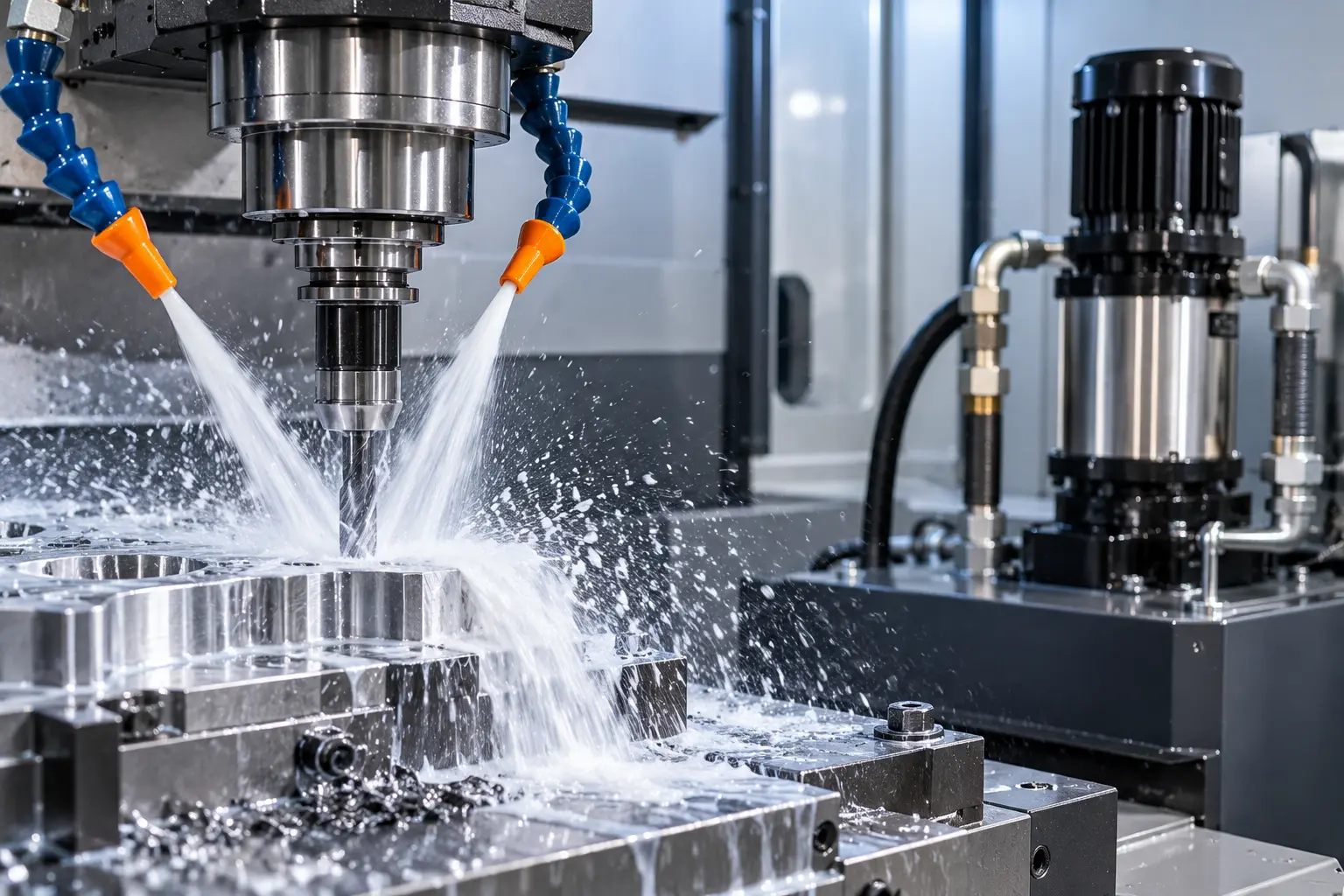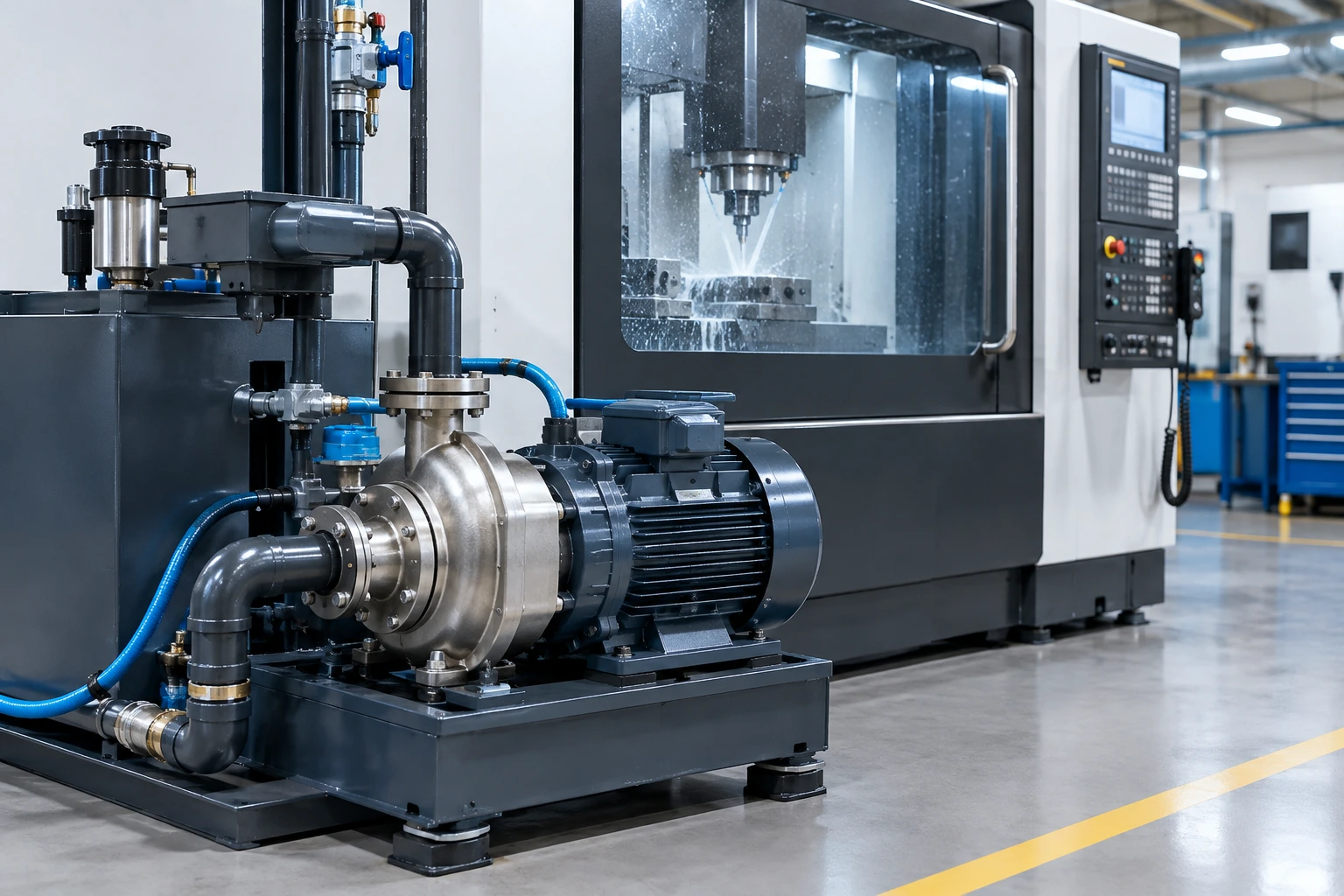
Selecting the right industrial coolant pump is an important consideration for CNC machining and other industrial applications that require consistent coolant circulation. The pump must meet the machine's flow and pressure requirements while remaining compatible with the coolant and operating conditions.
For UAE businesses, selecting a suitable Brinkmann pump also involves checking the motor specifications, installation requirements and availability of technical support. The following five tips can help buyers evaluate their options before choosing a pump.
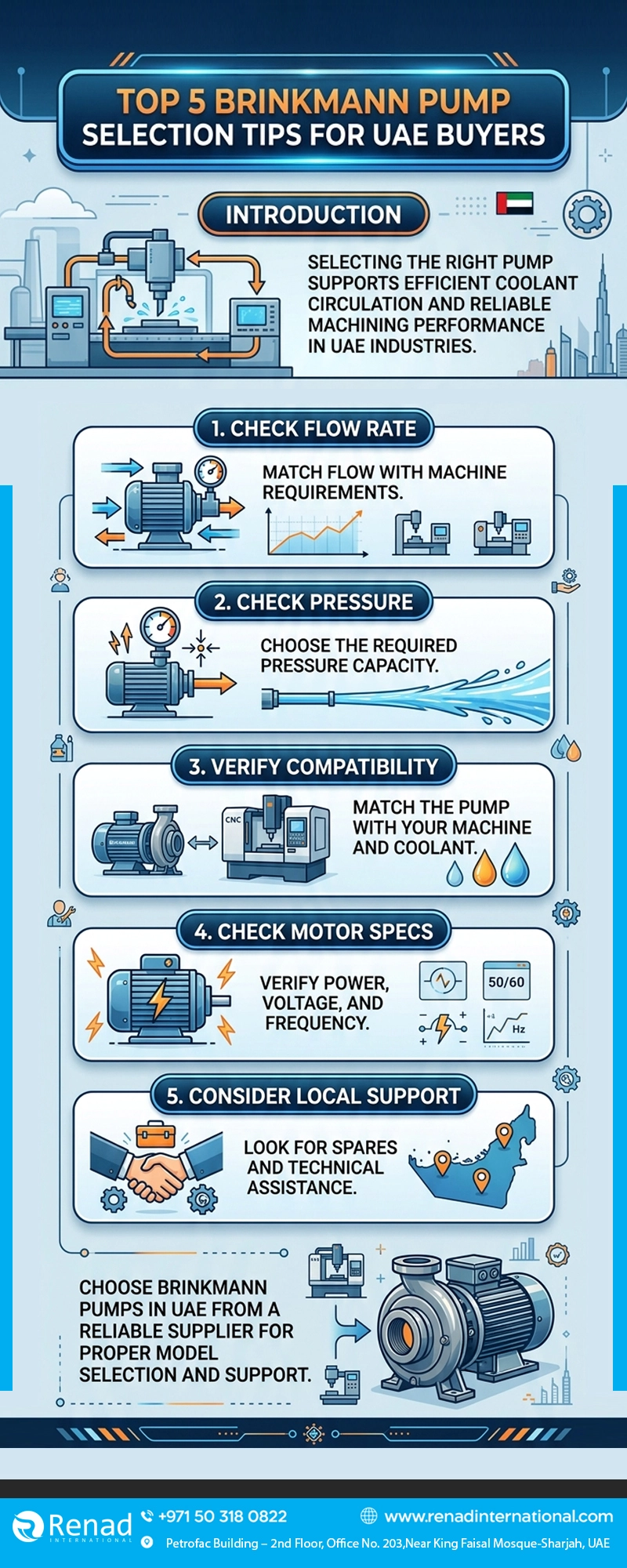
1. Check the Required Flow Rate
Flow rate determines how much coolant the pump can deliver over a given period. The required flow depends on the machine, its cooling arrangement and the application's operating conditions.
Before selecting a pump, check the machine manufacturer's recommendations and compare them with the pump's performance specifications.
Consider the following:
- The required coolant flow for the machine.
- The pump's rated flow under the intended operating conditions.
- The piping arrangement and any associated flow restrictions.
- The machine's coolant circulation requirements.
Choosing a pump based only on its general size or motor power may not ensure that it meets the application's actual requirements.
2. Confirm the Pressure Requirements
Flow rate and pressure are related but serve different purposes. While flow rate describes the volume of fluid delivered over time, pressure represents the force available to move the fluid through the system.
The required pressure depends on factors such as piping resistance, elevation, filtration equipment and the machine's coolant delivery arrangement.
When comparing Brinkmann coolant pumps, review the pump performance curve and confirm that the required flow can be achieved at the operating pressure. Do not select a pump based solely on its maximum pressure rating.
3. Verify Pump and Coolant Compatibility
The pump must suit the machine, the coolant being used and the installation conditions. Compatibility can affect pump performance, reliability and maintenance requirements.
Before purchasing, verify:
- The coolant type and its relevant properties.
- The materials used in the pump's wetted components and seals.
- The installation dimensions and connection requirements.
- The pump configuration recommended for the specific machine.
For CNC machining applications, confirm the pump model against the machine manufacturer's specifications and the coolant supplier's recommendations.
4. Check the Motor Specifications
The motor must match the available electrical supply and the application's operating requirements. A pump with an unsuitable electrical configuration may require changes to the installation or may not be appropriate for the intended equipment.
Check these details before ordering:
- Rated motor power.
- Supply voltage and phase.
- Operating frequency, such as 50 Hz or 60 Hz, as applicable.
- Required mounting arrangement and installation dimensions.
- Any relevant operating or environmental requirements.
Confirm the exact motor specifications on the selected pump's datasheet rather than relying on assumptions about standard industrial equipment.
5. Consider Local Technical Support and Spare Parts
Product selection is only one part of purchasing an industrial pump. Access to suitable technical assistance and compatible spare parts can also be important when planning installation, maintenance and future servicing.
UAE buyers should confirm the supplier's ability to provide:
- Technical assistance with model selection.
- Product datasheets and installation information.
- Availability and lead times for relevant spare parts.
- Guidance on maintenance and service requirements.
Ask the supplier to confirm the availability of the specific model and the support services offered before making a purchasing decision.
How to Choose the Right Brinkmann Pump for Your Application
A practical selection process starts with the machine's requirements rather than the pump model alone.
- Identify the machine and coolant application.
- Determine the required flow rate and operating pressure.
- Verify coolant compatibility and installation conditions.
- Check the motor's electrical specifications.
- Compare the requirements against the manufacturer's technical datasheet.
- Confirm model availability and technical support with the supplier.
This approach helps buyers make a more informed decision and reduces the risk of selecting equipment that does not match the application.
Conclusion
Choosing the right Brinkmann pump for an industrial application involves more than comparing product dimensions or motor power. Flow rate, pressure, coolant compatibility, motor specifications and technical support all deserve attention.
By checking these factors before purchasing, UAE buyers can identify a pump configuration that better matches their machine's requirements. Always verify the final selection against the manufacturer's documentation and the operating conditions of the intended application.
Frequently Asked Questions
Need Help Selecting the Right Brinkmann Pump?
Choosing a suitable industrial coolant pump requires careful consideration of flow rate, pressure, coolant compatibility and motor specifications. Contact our team to discuss your application and identify a suitable pump model for your requirements.
Contact Us